
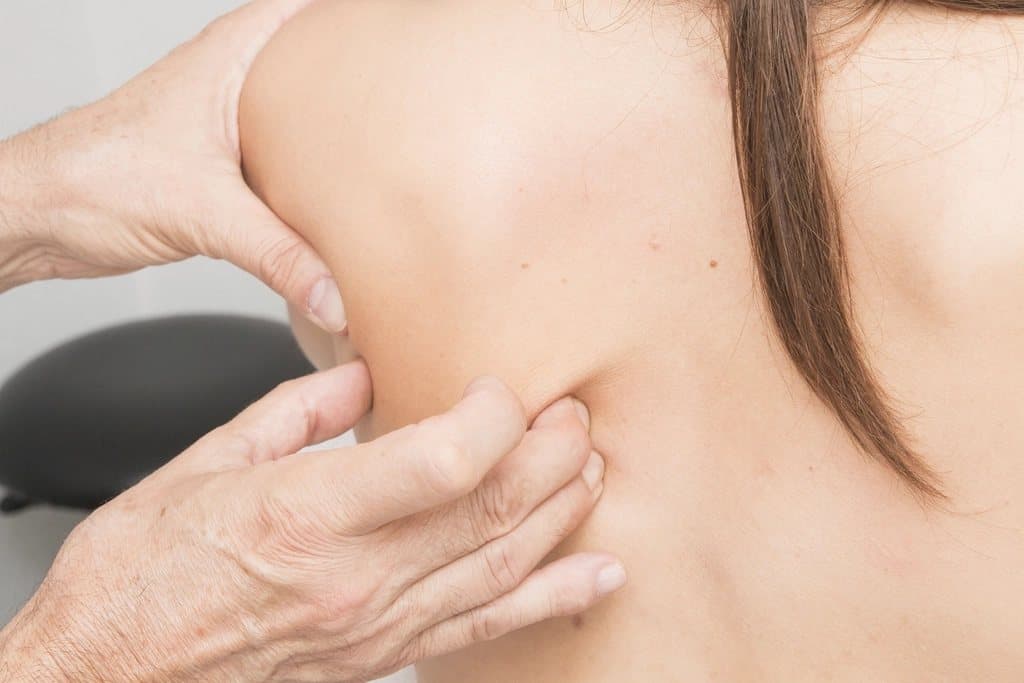
Deep tissue massage is our firmest massage. Your therapist works slowly and steadily, using fists, forearms and thumbs to reach the tension that sits deep beneath the surface: the knots that never quite let go, and the spots that have felt tight for a long time.
It's a great fit for shoulders and necks that carry the day's stress, a tight lower back, or the stiffness that comes from long hours at a desk, behind the wheel or on your feet.
Deep tissue can also include slow, gentle work around old, fully healed scars, where the skin and the area around it can feel tight or stiff. Show your therapist where they are and how they feel; we'll keep the pressure comfortable and only work where you're happy for us to.
- Pressure
- Firm
- How it feels
- Slow, steady and firm
- What to wear
- Undress to your comfort level; you stay draped with a sheet at all times
- Best for
- Stubborn knots, deep-set tightness, tight areas around old scars
Where Deep Tissue comes from
Deep tissue massage grew out of Swedish massage in the 20th century. It uses many of the same strokes, but much slower and with firmer, more focused pressure, so it reaches the tension that lighter massage doesn't.
Therapists often use their fists, forearms, knuckles and thumbs to lean in with steady, even pressure exactly where you feel it most.
What to expect during your session
Agree on focus areas
Tell your therapist where you feel tight, such as neck and shoulders, lower back or legs, and show them any old scars you'd like included or avoided.
Warm-up strokes
Lighter strokes come first, so your body relaxes and is ready for firmer work.
Slow, steady pressure
Your therapist leans in slowly with fists, forearms or thumbs, holding steady pressure on knots until they start to soften.
Check-ins and aftercare
You'll be asked about pressure along the way. Afterwards, drink water and take it easy; feeling a little tender for a day or so is normal.
Benefits and who it’s for
- Eases deep-set tension
- Leaves you feeling looser
- Stubborn knots in the neck, shoulders and back
- Long days at a desk, driving or on your feet
- Areas that feel tight around old, healed scars
- Guests who prefer firm pressure
How often to book
If you carry a lot of tension, many guests come every 2–3 weeks at first, then once a month to keep feeling loose.
Please check with your doctor first if…
- You have had recent surgery, an injury or a fracture
- You are being treated for a medical condition or take blood-thinning medication
- You have had blood clots, have varicose veins, or have been told your bones are fragile
- You have a scar that is still healing or from a recent surgery
Always tell your therapist about health conditions, injuries or allergies before your session, so we can adjust or suggest a different technique.
Pairs well with
- Hot stones +$10
- 15-min foot massage +$10 · +15 min
Questions about deep tissue massage
Will deep tissue massage hurt?
Firm pressure on a very tight spot can feel intense, but it should never hurt. Tell your therapist at any time and they'll ease off.
Can you work around an old scar?
Yes, once a scar is fully healed. Show your therapist where it is and we'll use slow, gentle pressure around it and stop whenever you like. Scars that are still healing, or recent surgery, should wait until your doctor says it's okay.
Is it normal to feel tender afterwards?
Feeling a little tender for a day or two is common after firm work. Drinking water, a warm shower and an easy evening help.
How is deep tissue different from Swedish massage?
Swedish massage is lighter and flowing, made for relaxing. Deep tissue is slower and firmer, made for the knots and tight spots that need more focused attention.
Not sure this is the one? Compare every technique in our massage guide, or read what to expect on your first visit.
MASSAGEase is not a medical center, and our massage services are not medical treatment. For any medical opinion, diagnosis or treatment, please consult your certified medical professional. Service disclaimer